Standby Power That Actually Starts: Generators and Automatic Transfer Switches
A generator and automatic transfer switch that have never been tested under load are an unknown, not a safety net.
September 4, 2026 · 3 min read
A backup generator only matters at the one moment nobody plans for: the moment the power actually goes out. Getting a standby system right means it starts, transfers the load, and runs the building the way it's supposed to, without anyone standing there to troubleshoot it. That's a different bar than simply having a generator sitting on a pad outside.
Sizing the load before sizing the generator
Before picking a generator, the actual load it needs to carry has to be worked out: which panels, which equipment, which systems stay on during an outage and which ones don't. A generator sized off a guess either can't carry what the owner expects it to carry, or costs more than it needed to because it's oversized for a load that was never calculated in the first place. That load calculation is the first real decision in the whole project, and every later choice, generator size, ATS rating, wiring, follows from it.
What an automatic transfer switch actually does
An automatic transfer switch, or ATS, is what senses utility power has failed, starts the generator, and switches the building's load over to it, then switches back once utility power returns. Wiring an ATS correctly means it has to make that switch cleanly, without back-feeding utility lines and without leaving a gap where the building loses power while it waits on the switch itself. An advanced ATS setup, wired to handle multiple panels or a more complex load split, is its own scope of work and deserves the same care as the generator it's paired with.
Why the pad and the pit matter as much as the panel
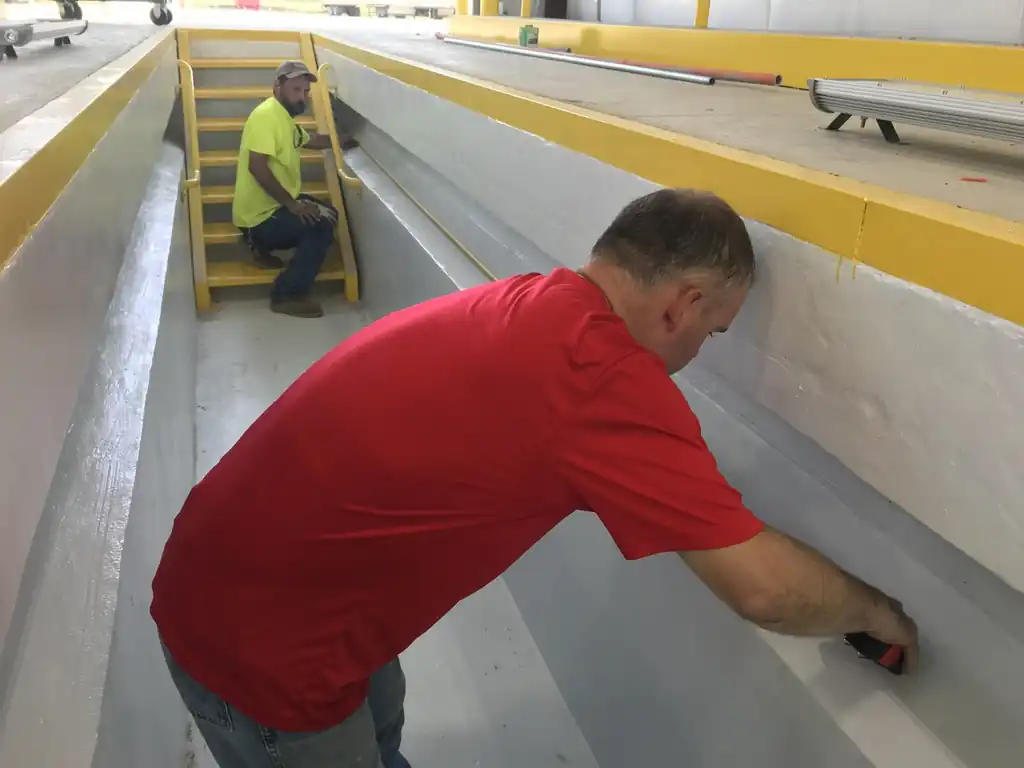
A generator installation is more than the unit itself. It's the conduit and wiring run from the generator to the ATS and from the ATS into the building's existing electrical service, often through an equipment pit or a coated enclosure built to keep that connection protected. Getting that physical installation right, not just the electrical calculations behind it, is what keeps the system reliable years after the crew that installed it has moved on to the next job.
Testing before the day it matters
A generator and ATS that have never been tested under load are an unknown, not a safety net. Testing means running the system through an actual transfer, confirming the generator starts and picks up the load within the time it's supposed to, and checking that the transfer back to utility power happens the same way. That's the difference between a system that works on paper and one that works during a real outage.
What an owner should ask for at handover
At handover, an owner should get more than a working generator. They should get documentation of what the system is sized to carry, confirmation that it was tested under actual load rather than just started and shut off, and a clear understanding of which parts of the building stay powered during an outage and which don't. Those are reasonable questions to ask any contractor installing emergency backup generator systems or advanced ATS wiring, and reasonable questions to expect clear answers to.
This isn't only a building problem
Standby power and ATS wiring show up on airport installations and expansions, water treatment plants, and distribution facilities just as much as on individual buildings, anywhere power loss isn't an inconvenience but a real operational problem. The sizing and testing discipline is the same regardless of scale. It just matters more the bigger the building or facility gets.
An owner deciding whether to invest in standby power, or reviewing a system that's already installed, doesn't need to become an electrician to ask the right questions. Asking for the load calculation, asking for proof of a real load test, and asking what happens to each part of the building during an outage covers most of what actually determines whether a generator does its job the one time it's called on to do it.
- Documentation of what load the generator is sized to carry
- Confirmation the ATS was tested under actual load, not just started and shut off
- A clear list of what stays powered during an outage and what doesn't
- A written explanation of the transfer time between utility failure and generator pickup
- A maintenance and testing plan going forward, not a one-time install and walk-away
Moore Electric & Logistics, (918) 686-5509
Call (918) 686-5509More articles
What a Duct Bank Actually Costs You If It Goes In Wrong
Once concrete goes over a duct bank, every mistake underneath it becomes a demolition problem instead of a punch-list item.
Reading a Switchgear Submittal Before It Becomes a Change Order
The line between a revised drawing and a change order is whether the switchgear submittal actually got read before the bid went out.